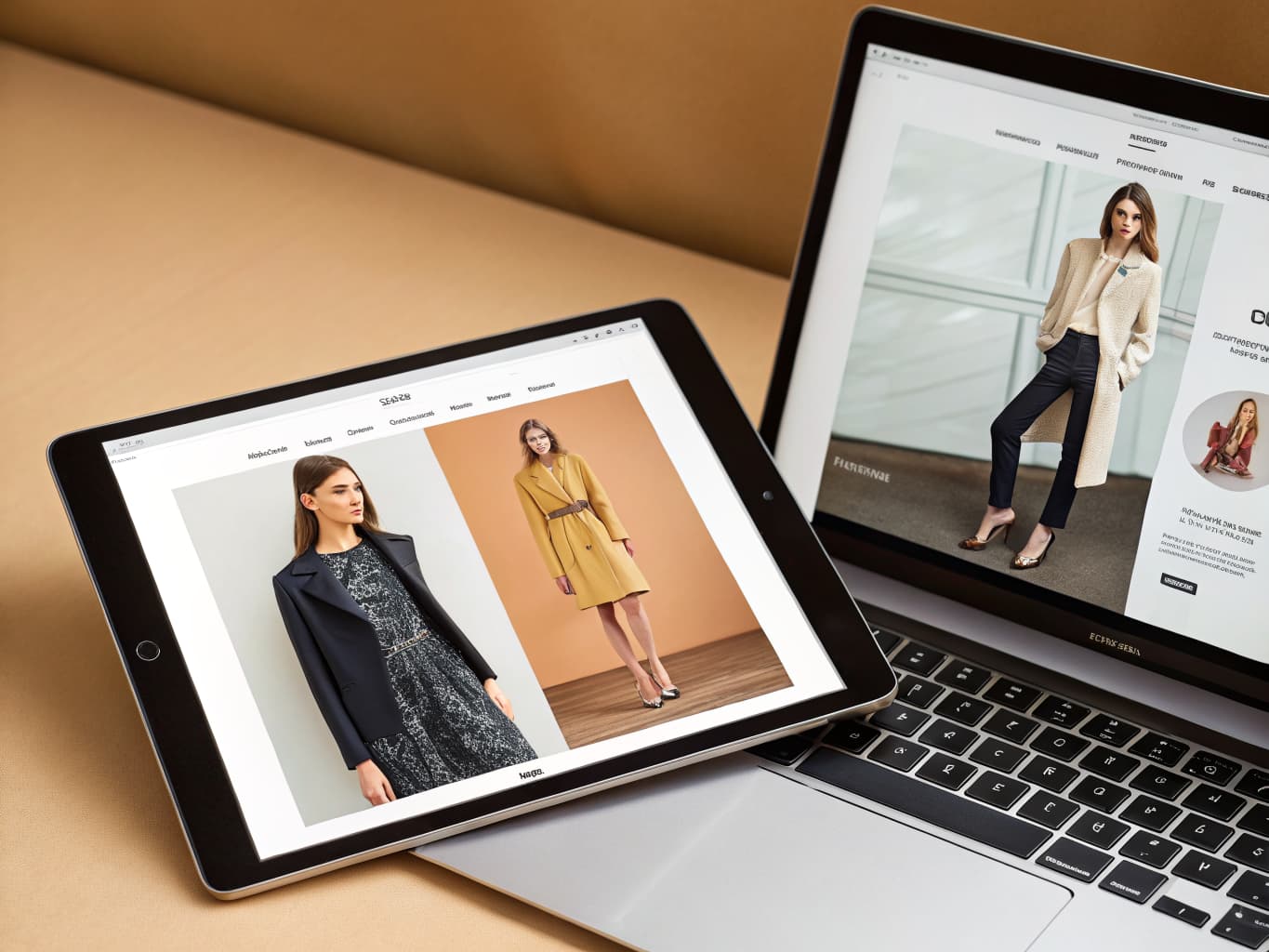
Interactive Flipbook Catalogs: The Complete B2B Fashion Guide
The way fashion brands present collections to wholesale buyers is changing fast. Static PDF catalogs sent by email are giving way to interactive digital experiences — and the interactive flipbook is emerging as the preferred format for B2B fashion presentations.
With 83% of B2B buyers preferring digital commerce interactions (JOOR, 2026), brands that still rely on printed catalogs or flat PDFs are leaving orders on the table.
This guide covers everything you need to know about creating and distributing interactive flipbook catalogs for fashion wholesale.
What is a Digital Flipbook?
A digital flipbook is a web-based interactive document that simulates the experience of flipping through a physical book or magazine — complete with page-turn animation, smooth transitions, and a realistic reading experience.
Unlike a PDF, a digital flipbook:
- Opens instantly in any browser — no download required
- Delivers a premium viewing experience with page-flip animation
- Can embed interactive elements like inquiry forms, links, and videos
- Tracks viewer behavior (which pages they viewed, how long they spent)
- Can be password-protected for specific buyers
- Works on mobile, tablet, and desktop
Why Fashion Brands Are Switching to Flipbooks
Buyer Experience
A polished flipbook makes a better first impression than a PDF attachment. When a wholesale buyer opens your catalog, the page-flip animation and professional layout signal that you're a premium, organized brand — before they've even seen a single product.
Frictionless Access
Share a single URL. Buyers click, the catalog opens. No file downloads, no compatibility issues, no "I can't open this PDF" emails. For international buyers using tablets or mobile devices, this is particularly important.
B2B Lead Capture
This is where flipbooks deliver unique value over any other format: embedded inquiry forms.
When a buyer views a product they want to order, they can submit an inquiry directly from the flipbook — including their name, company, contact information, and specific product interest. You receive structured lead data without a single follow-up email.
Analytics and Buyer Intelligence
Flipbook analytics tell you:
- How many unique buyers viewed your catalog
- Which pages they spent the most time on
- Which products generated the most interest
- When buyers stopped reading (and at which page)
This intelligence transforms how you prioritize follow-up outreach and which products you emphasize in presentations.
Cost vs. Printed Catalogs
Printing and shipping physical catalogs costs $5–$15 per catalog for domestic distribution, $20–$50+ for international shipping. For a brand distributing to 500 buyers per season, that's $2,500–$25,000 in distribution costs alone — before design, printing, and coordination.
A digital flipbook has zero distribution cost. Share it with 5 buyers or 5,000 — the cost is identical.
How to Create an Interactive Flipbook
Option 1: Start from Scratch with AI
The most efficient approach for brands that need both photography and a flipbook:
- Generate AI model photography for your collection
- Build a catalog layout in an AI catalog platform
- Publish directly as an interactive flipbook
Alovia integrates this entire workflow — from AI-generated imagery through flipbook publishing — in a single platform. See the Alovia Flipbook demo in action.
Option 2: Convert an Existing PDF
If you have an existing PDF catalog, dedicated flipbook tools (including platforms like Alovia) can convert it to interactive flipbook format while maintaining your existing design.
Key Features to Look for in a Flipbook Platform
Page-flip animation: Should be smooth and realistic across all devices and browsers.
Mobile optimization: 60%+ of buyers view digital catalogs on mobile devices. Your flipbook must render perfectly on small screens.
Buyer inquiry forms: The ability to capture structured buyer interest directly from the catalog is essential for B2B use.
Password protection: For pre-launch collections or exclusive buyer tiers, the ability to restrict access is important.
Analytics dashboard: Real-time visibility into who viewed your catalog and which products generated interest.
Embed capability: For brands with e-commerce or brand websites, embedding the flipbook directly on your site keeps buyers in your ecosystem.
Share link: A clean, shareable URL that can be distributed via email, WhatsApp, LinkedIn, or anywhere else.
Flipbook vs. PDF vs. Print Catalog
| Factor | Print Catalog | Interactive Flipbook | |
|---|---|---|---|
| Distribution cost | $5–$50/copy | $0 | $0 |
| Buyer experience | Premium (physical) | Basic | Premium (digital) |
| Mobile-friendly | No | Partial | Yes |
| Requires download | No | Yes | No |
| Analytics | None | None | Full viewer analytics |
| Lead capture | No | No | Yes (embedded forms) |
| Update flexibility | None (printed) | Re-send new file | Instant updates |
| International distribution | Expensive | Instant | Instant |
Best Practices for B2B Flipbook Catalogs
Open with Impact
The first 2–3 pages determine whether buyers keep reading. Lead with your strongest looks and most compelling imagery. Save technical detail pages for later in the catalog.
Include Clear Product Information
B2B buyers need actionable information: style numbers, available colors (with swatch references), fabric composition, sizing, and pricing. Make sure this information is clearly visible without being visually overwhelming.
Make Inquiry Easy
Place inquiry forms on high-interest pages, not just at the end of the catalog. If a buyer is looking at a great jacket on page 8, they should be able to express interest without navigating to the end.
Keep It Current
One advantage of digital flipbooks over printed catalogs is the ability to update content after distribution. If pricing changes or a product sells out, update your flipbook without reprinting or resending.
Track and Follow Up
Use your analytics to prioritize follow-up. Buyers who spent significant time on specific pages are warm leads — reach out with those specific products top of mind.
Common questions about interactive flipbook catalogs
Q: What is a digital flipbook and how is it different from a PDF? A: A digital flipbook is an interactive web experience that simulates page-turning through a fashion catalog. Unlike PDFs, flipbooks open instantly in any browser without downloads, include page-flip animation, support embedded inquiry forms, provide viewer analytics, and work seamlessly on mobile devices.
Q: How do I share my flipbook with wholesale buyers? A: Every published flipbook gets a unique URL that you can share via email, WhatsApp, LinkedIn, or embed on your website. Buyers click the link and the catalog opens immediately — no account required to view.
Q: Can buyers place orders directly through the flipbook? A: Buyers can submit structured B2B inquiries directly from flipbook pages, including product interest, quantities, and contact information. These inquiries are captured as leads in your dashboard for follow-up.
Q: What analytics does a flipbook provide? A: Comprehensive flipbook analytics include total and unique views, time spent per page, most-viewed products, buyer geography, and all submitted inquiries — available in real time from your dashboard.
Q: How much does distributing a printed catalog cost compared to a digital flipbook? A: Printing and shipping a physical catalog costs $5–$15 per copy domestically and $20–$50+ internationally — for a brand distributing to 500 buyers per season, that's $2,500–$25,000 in distribution costs alone before design and printing. A digital flipbook has zero distribution cost whether you share it with 5 buyers or 5,000.
Q: What share of B2B fashion buyers prefer digital ordering over traditional catalogs? A: 83% of B2B buyers prefer digital commerce interactions over paper catalogs or PDF attachments, according to JOOR's 2026 wholesale industry data — brands still relying on printed catalogs are leaving orders on the table.
Q: What percentage of buyers view catalogs on a phone or tablet? A: 60%+ of buyers view digital catalogs on mobile devices, which is why a flipbook platform needs to render page-flip animation and layout perfectly on small screens, not just desktop.
Q: What are the two ways to create an interactive flipbook? A: You can start from scratch with AI — generating model photography, building a catalog layout, and publishing directly as a flipbook in one workflow — or convert an existing PDF catalog into interactive flipbook format while keeping your current design.
Q: Can I update a flipbook after buyers already have the link? A: Yes. Unlike a printed catalog, which can't be revised once printed, a digital flipbook can be updated instantly if pricing changes or a product sells out — buyers see the current version through the same link without needing a reprint or resend.
Q: What features should I look for before choosing a flipbook platform? A: Look for smooth page-flip animation across devices, mobile optimization (most buyers view on phones), embedded buyer inquiry forms, password protection for exclusive collections, a real-time analytics dashboard, website embed capability, and a clean shareable link.
Conclusion
Interactive flipbook catalogs represent the most effective digital sales tool available for fashion wholesale. They deliver a premium buyer experience, eliminate distribution costs, capture structured buyer interest, and provide actionable intelligence about collection performance.
As B2B fashion commerce accelerates toward digital-first interactions — with 83% of buyers preferring digital ordering — brands that deliver professional, interactive catalog experiences have a meaningful competitive advantage.
Ready to create your first interactive flipbook? Try Alovia free — or see the Flipbook demo to experience the format firsthand.
Related: How to Create a Lookbook with AI · B2B Line Sheet Guide · Try Flipbook Demo →
İsmail spent years building product and technology at Altın Yıldız — Turkey's benchmark for premium menswear — before founding Alovia to bring AI-powered content creation to fashion brands worldwide.
Connect on LinkedIn →